Quiénes somos / Who we are
El Comité de ONG sobre la Condición Jurídica y Social de la Mujer de América Latina y el Caribe –CoNGO CSW LAC- fue creado por el Comité de ONGs para CSW de Nueva York en 2012 junto a otros cuatro comités regionales, para trabajar conjuntamente en cada región. Su misión es brindar un foro de intercambio de información y discusión sobre los temas y las políticas relacionadas con las mujeres especialmente en consideración en la Comisión de la Condición de la Mujer de ONU.
También promover la implementación de la Plataforma para la Acción de Beijing y sus vínculos con la Agenda 2030 y los Objetivos de Desarrollo Sustentable -ODS- y facilitar la cooperación y el trabajo articulado entre las organizaciones de la sociedad civil y sus integrantes para acelerar el logro de la Igualdad de Género y el cumplimiento de los ODS.
Pueden integrar el CoNGO CSW LAC como miembros plenas las ONGs o redes nacionales, subregionales y/o regionales con Status consultivo de ECOSOC. Las ONGs sin Status Consultivo de Ecosoc pueden ser miembros adherentes que participan con voz sin voto.
El CoNGO tiene un Comité Ejecutivo que consta de dos presidentas y dos vicepresidentas una para América Latina y otra por el Caribe anglo y franco parlante, una secrataria, una tesorera y vocales que respresentan la diversidad de mujeres de la región. El mandato de las miembros del Comité Ejecutivo dura dos años y la elección la realizan las miembros plenas. El comité actual finalizó su mandato en 2017 y fue renovado.
Who we are
The Committee of NGOs on the Condition of Women from Latin America and the Caribbean -CoNGO CSW LAC- was created by the Committee of NGOs on CSW from New York in 2012 along with other four regional committees to jointly work with each region. Its mission is to provide a forum for the exchange of information and discussion on the topics and policies related to women, especially considered in the UN Commission on the Status of Women. It also promotes the implementation of the Beijing Platform for Action and its links to the Agenda 2030 and Sustainable Development Goals and to facilitate the cooperation and articulated between the civil society organizations and their members to accelerate the achievement of gender equality and the fulfillment of SDGs.
National, sub-regional and/or regional NGOs and networks with ECOSOC status are eligible to be full members of the CoNGO CSW LAC. NGOs without ECOSOC status are eligible to be adhrents members with voice, but not with right to vote.
The Executive Committee consists of two Chairs, two Vice-chairs, one for Latin America and the other for the English and French speaking countries of the Caribbean, one Secretary, one Treasurer and two Members, representing the diversity of women from the region. The Executive Committee members stay in office for a period of two years and they are elected by the full members. The current committee finalized in 2017 and was renewed.
Que hacemos
Desde la creación, el Comité participa en las sesiones de la Comisión sobre la Condición Jurídica y Social de la Mujer -CSW, por sus siglas en inglés-, donde organiza eventos paralelos, reuniones de estrategia para las representantes de la sociedad civil que asisten a la CSW, difunde los documentos e información sobre la organización de la CSW a las ONG de la región, presenta documentos, presenta declaraciones orales y escritas expresando la voz de la mujeres de la región para que las necesidades e intereses se vean plasmadas en las resoluciones y los acuerdos firmados. También promueve la participación de redes y organizaciones de la región en actividades de igualdad de género.
Previo a la CSW, organiza reuniones virtuales y presenciales preparatorias a nivel nacional, subregional y regional y promueve la participación de las organizaciones y redes de mujeres para la incidencia política con los gobiernos de los países de la región.
Por otra parte, el Comité participa e integra a través de algunas de sus miembros en el Grupo Mayor de Mujeres de ONU.
What we do
Since its creation, the Committee participates in the sessions of the Commission on the Social and Legal Status of Women -CSW- where it organizes parallel events, strategy meetings for the civil society representatives that attend the meeting, disseminates the documents and information on the organization of CSW to NGOs in the region, submits documents and oral and written declarations expressing the voice of women from the region to have their voices and interests enshrined in the signed resolutions and agreements. It also promotes the participation of networks and organizations in the region in gender equality activities.
Prior to CSW, it organizes virtual and in-site preparatory meetings at national, sub-regional and regional level, and it promotes the organization of women’s organizations for advocacy with governments of the countries in the region.
On the other hand, the Committee participates and is part through some of its members of the United Nations Women’s Major Group.
Comité Ejecutivo / Executive Committee
Mabel Bianco, CoPresidenta/Co-Chair
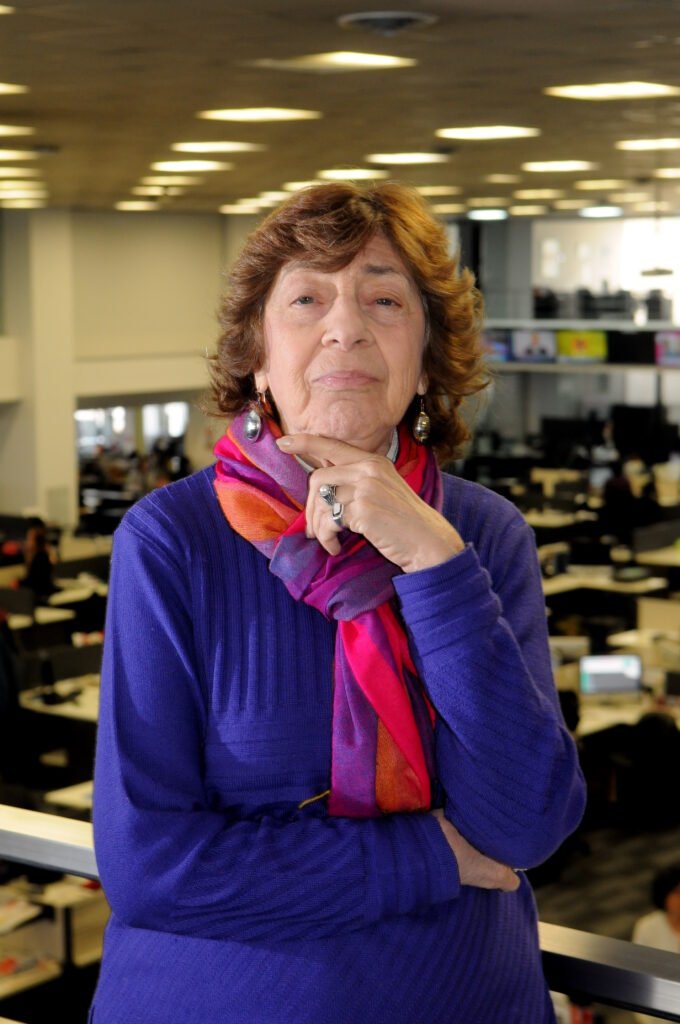
Médica feminista, máster en Salud Pública y especialista en Epidemiología y Estadística Médica.
En 1989 creó la Fundación para Estudio e Investigación de la Mujer (FEIM), que promueve la
igualdad de género y el fin de la violencia de género en mujeres y niñas en toda su diversidad.
Desde 2012 co- preside el Comité de ONG de la CSW para América Latina y el Caribe. Desde 2018
integra y es jefa de la delegación argentina del W20 y desde 2022 es Consejera del W7. Desde la
creación del grupo de FFP coordinado por Lyric Thompson, que nuclea a gobiernos, ONGs,
feministas, académicas y agencias multilaterales y bilaterales, Mabel Bianco participa activamente
y es miembro del comité directivo de Feminist Foreign Policy Collaborative. En 2024 fue elegida
Directora para América Latina y el Caribe de la Federación Internacional de Envejecimiento -IFA-
y miembro del Comité Directivo de la Sociedad Civil de ACTUEMOS (ONU Mujeres y Unión
Europea). En 2011 fue elegida Una de las 100 personas comprometidas con las Mujeres por Women
Deliver y luego una de las 150 mujeres que mueven el mundo por Newsweek. Reconocida como
«Mujer Distinguida» del Comité de ONG para la CSW de Nueva York en 2017, y nombrada una de
las 100 mujeres más influyentes por la BBC en 2019 y por Apolitical en 2020. En 2026 fue
nombrada Chevalier dans l’Ordre National d’Honneur por el presidente de la República de Francia.
Es autora de 8 libros y más de 200 artículos.
Feminist physician, Master in Public Health and specialist in Epidemiology and Medical Statistics.
In 1989 she created the Foundation for the Study and Research on Women (FEIM), which promotes
gender equality and the end of violence against women and girls in all their diversity. Since 2012
she co-chairs the Committee of NGOs on the Condition of Women from Latin America and the
Caribbean (NGO CSW LAC). Since 2018 she has been the head of the Argentine delegation of the
W20 and since 2022 she is an Advisor of the W7. Since the creation of the FFP group coordinated
by Lyric Thompson, which brings together governments, NGOs, feminists, academics, and
multilateral and bilateral agencies, Mabel Bianco has been an active participant and member of the
steering committee of the Feminist Foreign Policy Collaborative. In 2024 she was elected Director
for Latin America and the Caribbean of the International Federation of Aging -IFA- and member of
the Civil Society Steering Committee of ACTUEMOS (UN Women and European Union). In 2011
she was elected One of the 100 People Committed to Women by Women Deliver and then one of
the 150 Women Who Move the World by Newsweek. Recognized as a “Woman of Distinction” by
the NGO Committee for CSW New York in 2017, and named one of the 100 most influential
women by BBC in 2019 and by Apolitical in 2020. In 2026, she was named Chevalier dans l’Ordre
National d’Honneur by the President of the French Republic. She is the author of 8 books and over
200 articles.
A leading advocate for women’s rights in Argentina and worldwide for more than four decades. Founder
WOMENWANTWAIT
Lana Louise Finikin, CoPresidenta/Co-Chair
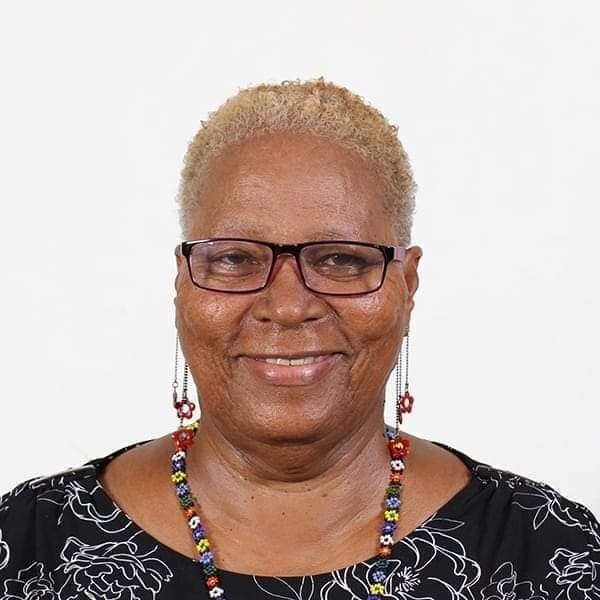
Lana Louise Finikin, miembro fundadora y directora ejecutiva del Sistren Theatre Collective, vicepresidenta de la junta directiva de la Comisión Huairou, una organización internacional no gubernamental de mujeres, y copresidenta del Comité LAC CoNgo CSW. La Sra. Finikin forma parte del Sistren Theatre Collective desde su creación en 1977. Ha trabajado en el colectivo como profesora/actriz, tesorera/contable, directora de escena y coordinadora, y en 2004 se le asignó el cargo de directora ejecutiva de la organización. Ha representado a la organización a nivel local, regional y mundial en foros, conferencias y talleres de formación en la mayoría de estos eventos. Su participación en estas actividades le ha brindado la oportunidad de ser miembro activo de varias organizaciones internacionales, por ejemplo: GROOTS INT, de la que es miembro fundadora, y la Comisión Huairou. Ha participado activamente en el esfuerzo colaborativo para desarrollar un programa global de Ciudades Seguras y Espacios Públicos, en nombre de Sistren Theatre Collective y la Comisión Huairou, durante más de 15 años con ONU Mujeres y otros socios institucionales. Ha participado y representado a la organización en diversas reuniones de ONU Mujeres y otras conferencias, talleres de formación y reuniones de financiación en todo el mundo (el Foro Urbano Mundial con el tema «Ciudades 2030, Ciudades para todos: Implementación de la Nueva Agenda Urbana», convocado por el Programa de las Naciones Unidas para los Asentamientos Humanos (ONU-Hábitat) y organizado por ONU-Hábitat en varias ciudades de todo el mundo, y la Comisión de la Condición Jurídica y Social de la Mujer de las Naciones Unidas, que se celebra cada año en marzo, de forma presencial o virtual). Foro Político de Alto Nivel (FPAN) que tuvo lugar en la sede de las Naciones Unidas en Nueva York y la plataforma para la revisión de la Agenda 2030 y la implementación de los Objetivos de Desarrollo Sostenible (ODS).
Lana Louise Finikin, a Founding member and Executive Director of Sistren Theatre Collective,
Vice Board Chair of the Huairou Commission, an international non-governmental women’s organization also Co-Chair LAC CoNgo CSW Committee. Miss Finikin has been with the collective since its inception in 1977. She has worked in the collective in the capacity as Teacher/Actress, Treasurer/Accountant, Stage Manager and Coordinator and 2004 was given the post of Executive Director of the organization. She represented the organization local, regional and global at Forums, conferences and carryout training workshops at most of these events. Her participation in these activities has given her the opportunity to be an active member of several international organizations, eg: GROOTS INT of which she is a founding member and Huairou Commission.She has been active in the collaborative effort to develop a global Safe City and Public Spaces program, on behalf of Sistren Theatre Collective and Huairou Commission, for 15+ years with UN Women and other institutional partners. She participated and represents the organization at various UN Women and other conferences, training workshop and funding meeting across the globe (World Urban Forum with the theme of Cities 2030, Cities for All: Implementing the New Urban Agenda convened by the United Nations Human Settlements Programme (UN-Habitat) and hosted by UN Habitat in several cities across the globe and the United Nations Commission on the Status of Women March every year face to face or virtual. High-level Political Forum (HLPF) which took place at the United Nations Headquarters in New York and the platform for the review of the 2030 Agenda and the implementation of the Sustainable Development Goals (SDGs).
Aidé García Hernández, VicePresidenta/Vice-Chair
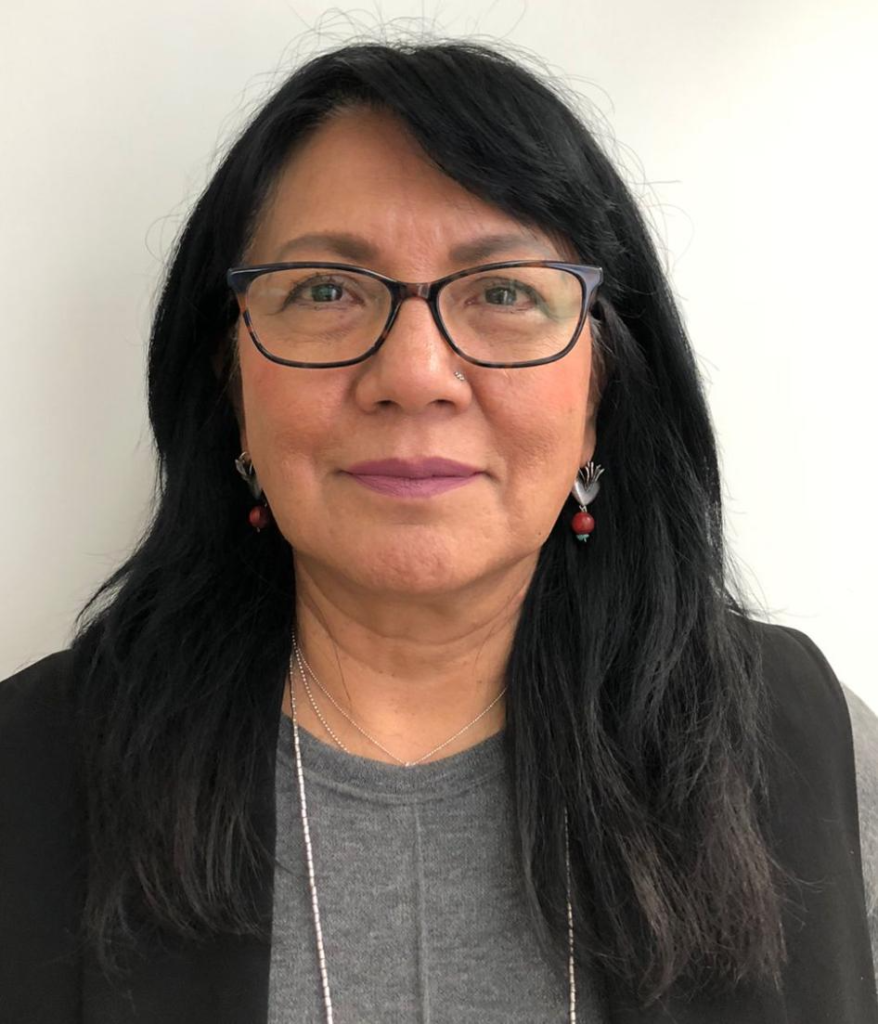
Directora de Católicas por el Derecho a Decidir México
Feminista, activista y defensora de los derechos humanos de las mujeres. Originaria de la Ciudad de México, con formación académica en Trabajo Social y una amplia experiencia de trabajo en temas de defensoría popular, democracia y estado laico, derechos humanos de las mujeres y políticas públicas con perspectiva de género. Destaca su contribución al debate de la reforma que permite la Interrupción Legal del Embarazo (ILE) en el Distrito Federal, y su participación impulsando la Reforma Constitucional en Materia de Derechos Humanos de 2011 y la Reforma Constitucional al artículo 40 Constitucional de 2012 que reconoce la laicidad de la República mexicana, con una amplia trayectoria en la incidencia en organismos multilaterales.
Director of Católicas por el Derecho a Decidir México (Catholics for the Right to Choose Mexico)
Feminist, activist, and defender of women’s human rights. Originally from Mexico City, she has a background in social work and extensive experience working on issues related to public advocacy, democracy and secularism, women’s human rights, and public policies with a gender perspective. Notable contributions include her participation in the debate on the reform allowing legal termination of pregnancy (ILE) in the Federal District, and her role in promoting the 2011 Constitutional Reform on Human Rights and the 2012 Constitutional Reform of Article 40, which recognizes the secular nature of the Mexican Republic. She has extensive experience in advocacy with multilateral organizations.
Delores Robinson, VicePresidenta/ViceChair (en licencia)
Activist and advocate for women’s rights, particular in the areas of Sexual Reproductive Health and Rights (SRHR) with particular emphasis on domestic and gender based violence. After over a decade of working in a Diplomatic Mission, in 2001 Delores went back to her roots – the women’s movement, where, for over thirty years she has been an active member, first with Sistren Theatre Collective of Jamaica; then with Women Working for Social Progress where she has been a member since 1988 where she currently serves as a Council member with responsibility for Admin and Finance; Advocates for Safe Parenthood; Improving Reproductive Equity (ASPIRE). She served as Board Director on a number of Non-Governmental Organisations including: The Network of NGOs for the Advancement of Women of Trinidad & Tobago; Community Action Resource -CARe. Currently she is Director of Finance and Administration with Transformed Life Ministry. In July 2015, she was inducted as the second female President (in the Club’s 30 year history) of the Rotary Club of St. Augustine West. Delores is the Founder and Co-Director of Grassroots Organisations Operating Together in Sisterhood GROOTS Trinidad and Tobago. GROOTS T&T is an affiliate of GROOTS International and Huairou Commission. Ms. Robinson holds two certificates from the University of the West Indies, one in Book-keeping and Taxation and the other in Advanced Counselling; a Diploma in Public Relations from Cipriani College of Labour and Co-operative studies. She works extensively in the area of Sexual Reproductive Health and Rights with emphasis on Gender Based Violence, HIV & AIDS and Comprehensive Sexuality Education.
Sandra Castañeda, Secretaria/Secretary
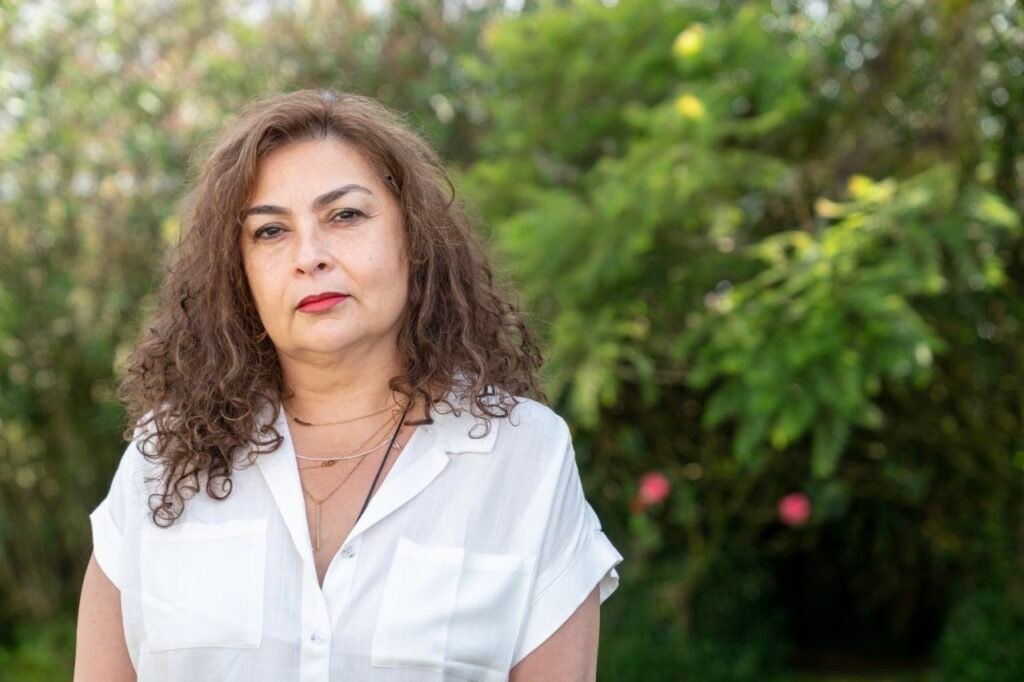
Abogada, activista feminista y defensora de derechos humanos con Especialización en Estudios Políticos y Relaciones de Cooperación Europa – América Latina, en el Centro de Estudios para América Latina de la Universidad de Heidelberg; y una especialización en Derechos Humanos de las Mujeres, en la Universidad de Chile. Desde el año 2001, ha trabajado en la Red de Salud de las Mujeres Latinoamericanas y del Caribe RSMLAC. Entre 2001 y el 2012 como coordinadora programática y a partir de 2013 a la fecha como Coordinadora General. En desempeño de este cargo dedica la mayor parte del tiempo y esfuerzo entre otras, a las siguientes tareas:
- Acompañamiento a las cerca de 1.200 organizaciones de 24 países de la región Latinoamericana y caribeña que integran la membresía de la RSMLAC.
- Representación de las organizaciones de mujeres en los mecanismos de participación de la sociedad civil de los espacios multilaterales: Comité de ONG de la CSW; Womens Mayor Group; Foro de Países de la Agenda de Desarrollo Sostenible de América Latina y el Caribe.
- Participación en las Coaliciones Feministas de seguimiento Comisión de Población y Desarrollo, La Conferencia Regional sobre Población y Desarrollo, la Conferencia de Mujer de América Latina y el Caribe, Articulación Regional de Seguimiento a la Convención Belem do Pará.
- Integrar y apoyar alianzas regionales e internacionales: Alianza Global por los Cuidados, CLACAI, Monitoreo Social del Programa de Acción de Población y Desarrollo “Mira que te Miro”.
Lawyer, feminist activist, and human rights defender with a specialization in Political Studies and Cooperation Relations between Europe and Latin America obtained at the Center for Latin American Studies at Heidelberg University, and a specialization in Women’s Human Rights obtained at the University of Chile. Since 2001, she has worked at the Latin American and Caribbean Women’s Health Network (RSMLAC). Between 2001 and 2012, she served as program coordinator, and since 2013, she has been general coordinator. In this role, she devotes most of her time and effort to the following responsibilities, among others:
- Integrate and support regional and international alliances: Global Alliance for Care, CLACAI, Social Monitoring of the Population and Development Action Program “Mira que te Miro”.
- Support for the approximately 1,200 organizations from 24 countries in Latin America and the Caribbean that are members of RSMLAC.
- Representation of women’s organizations in civil society participation mechanisms in multilateral spaces: CSW NGO Committee; Women’s Major Group; Forum of the Countries of Latin America and the Caribbean on Sustainable Development.
- Participation in feminist coalitions monitoring the Commission on Population and Development, the Regional Conference on Population and Development, the Latin American and Caribbean Women’s Conference, and the Regional Coordination for Monitoring the Belém do Pará Convention.
- Integrate and support regional and international alliances: Global Alliance for Care, CLACAI, Social Monitoring of the Population and Development Action Program “Mira que te Miro”.
.
RSMLAC
Dulce Patricia Sandoval Torres, Member At-large
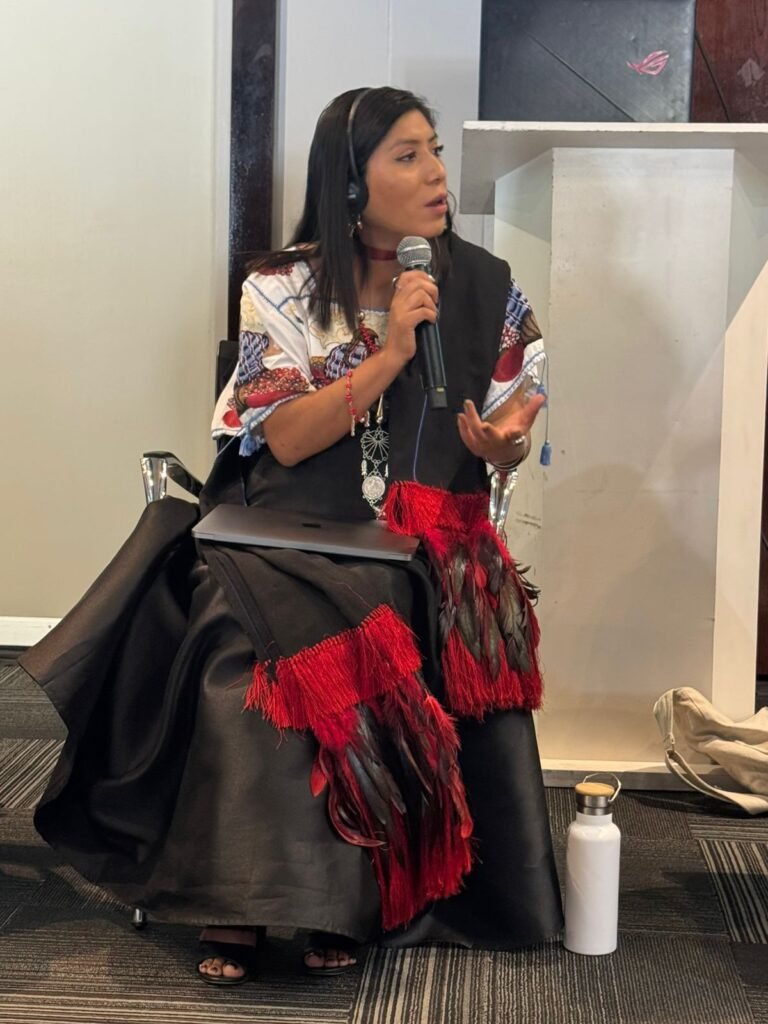
Púrhépecha, originaria de Pichátaro, Mpio. De Tingambato, Michoacán. Licenciada en Derecho,
Perito en Balística Forense. Licenciada de Educación Primaria para el Medio Indígena. Maestra en
Antropología Social por el Centro de Investigaciones y Estudios Superiores en Antropología Social
(CIESAS), sede Ciudad de México. Sus principales líneas de trabajo son: Pueblos Indígenas; Mujeres
Indígenas; Acceso a las Justicias; Violencias; Racismo; y Participación y Representación Política.
Ha dedicado su vida a la lucha por los derechos de los pueblos indígenas y las mujeres. Se trata de
una líder que ha trabajado incansablemente en la Organización Nación P’urhépecha Zapatista
(ONPZ) y en la Coordinadora Nacional de Mujeres Indígenas (CONAMI). Es cofundadora de la Red Nacional de Abogadas Indígenas (RAI) en 2011, y desde 2016 de la Red de Abogadas y Promotoras Indígenas por una Vida Libre de Violencias en el estado de Michoacán (RAI Mich), y desde 2005 imparte talleres y conferencias sobre Derechos Humanos; Derechos de los Pueblos Indígenas; Derechos de las Mujeres Indígenas; Derechos sexuales y reproductivos; Participación y Representación Política en Sistemas de Partidos y en Sistemas Normativos Internos; Derechos de las Niñas, Niños y Adolescentes; Economía comunitaria y Fortalecimiento de economías comunitarias; Violencias y mujeres indígenas; Género; Movimientos de las mujeres indígenas; entre otros. Se ha desempeñado laboralmente en la administración pública municipal y estatal, en el Sistema de Educación Media Superior de Michoacán y como docente universitaria en Colima, México.
Púrhépecha, originally from Pichátaro, Municipality of Tingambato, Michoacán. Law degree, expert
in forensic ballistics. Degree in Primary Education for Indigenous Communities. Master’s degree in
Social Anthropology from the Center for Research and Higher Studies in Social Anthropology (CIESAS), Mexico City. Her main areas of work are: Indigenous Peoples; Indigenous Women; Access to Justice; Violence; Racism; and Political Participation and Representation. She has dedicated her life to fighting for the rights of indigenous peoples and women. She is a leader who has worked tirelessly in the P’urhépecha Zapatista Nation Organization (ONPZ) and the National Coordination of Indigenous Women (CONAMI). She co-founded the National Network of Indigenous Women Lawyers (RAI) in 2011, and in 2016, the Network of Indigenous Women Lawyers and Advocates for a Life Free of Violence in the state of Michoacán (RAI Mich). Since 2005, she has given workshops and lectures on human rights; the rights of indigenous peoples; the rights of indigenous women; sexual and reproductive rights; political participation and representation in party systems and internal normative systems; the rights of children and adolescents; community economics and the strengthening of community economies; violence and indigenous women; gender, and indigenous women’s movements, among other topics. She has worked in municipal and state public administration, in the Michoacán Higher Secondary Education System, and as a university professor in Colima, Mexico.
CHIRAPAQ/ECMIA
Tania Sanchez, Vocal/Member-at-Large
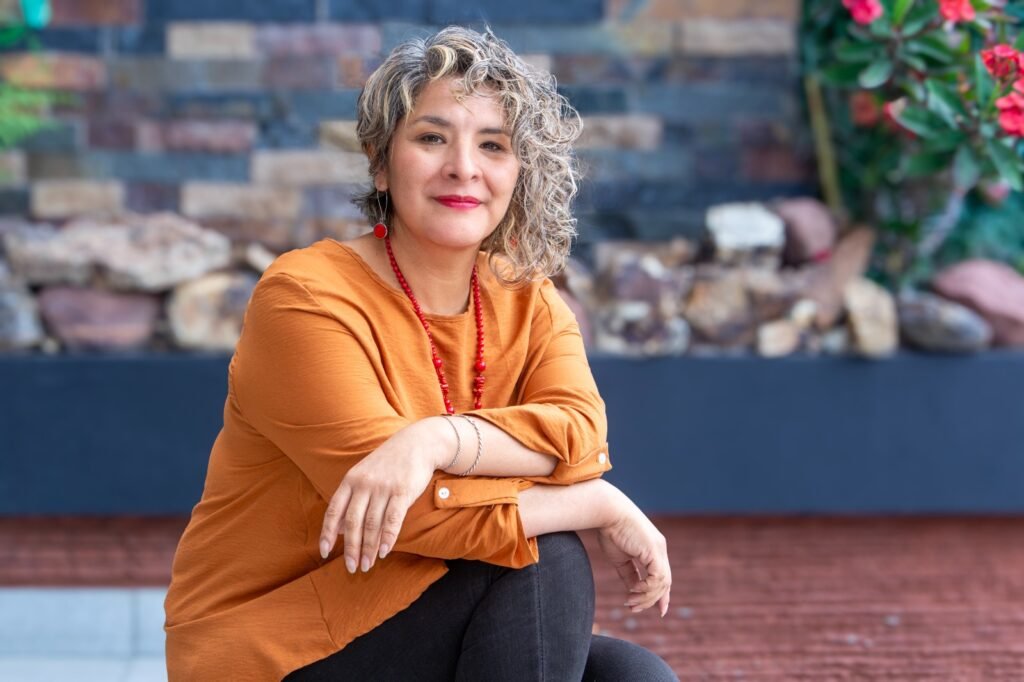
Tania Sánchez es Activista y feminista Boliviana, directora de la Coordinadora de la Mujer en Bolivia y experta regional en políticas públicas, planificación estratégica y presupuestos con enfoque de género, con amplia experiencia en el fortalecimiento de los derechos humanos, particularmente de los derechos de las mujeres. Ha trabajado en la implementación, seguimiento y evaluación de proyectos sociales, así como en iniciativas de prevención y atención de la violencia en razón de género, participación política de las mujeres y empoderamiento económico, articulando acciones con organizaciones de la sociedad civil, instituciones públicas y organismos internacionales. Ha liderado procesos de investigación, asesoramiento técnico en procesos de planificación y gestión del desarrollo, así como procesos de incidencia política, articulación y negociación con entidades estatales, plataformas sociales y organismos de cooperación internacional. Ha sido ponente en foros nacionales e internacionales y facilitadora en procesos de fortalecimiento de capacidades tanto virtuales como presenciales, combinando gestión por resultados, análisis político y desarrollo de propuestas de innovación en políticas públicas. A lo largo de su carrera ha contribuido a la elaboración de agendas políticas, hojas de ruta regionales a partir de su participación en redes, espacios de diálogo político y plataformas regionales orientadas a la construcción de agendas públicas para la igualdad de género, la democracia paritaria, los cuidados y la justicia fiscal.
Tania Sánchez is a Bolivian activist and feminist, director of the Coordinadora de la Mujer en Bolivia and regional expert in public policy, strategic planning, and gender-responsive budgeting, with extensive experience in strengthening human rights, particularly women’s rights. She has worked on the implementation, monitoring, and evaluation of social projects, as well as on initiatives for the prevention and treatment of gender-based violence, women’s political participation, and economic empowerment, coordinating actions with civil society organizations, public institutions, and international organizations. She has led research processes, provided technical advice on development planning and management processes, and engaged in political advocacy, coordination, and negotiation with state institutions, social platforms, and international cooperation agencies. She has been a speaker at national and international forums and a facilitator in both virtual and in-person capacity-building processes, combining results-based management, policy analysis, and the development of innovative public policy proposals. During her career, she has contributed to the development of political agendas and regional roadmaps through her participation in networks, political dialogue forums, and regional platforms aimed at building public agendas for gender equality, parity democracy, care, and fiscal justice.
Paola Yañez-Inofuentes, Vocal/Member-at-Large
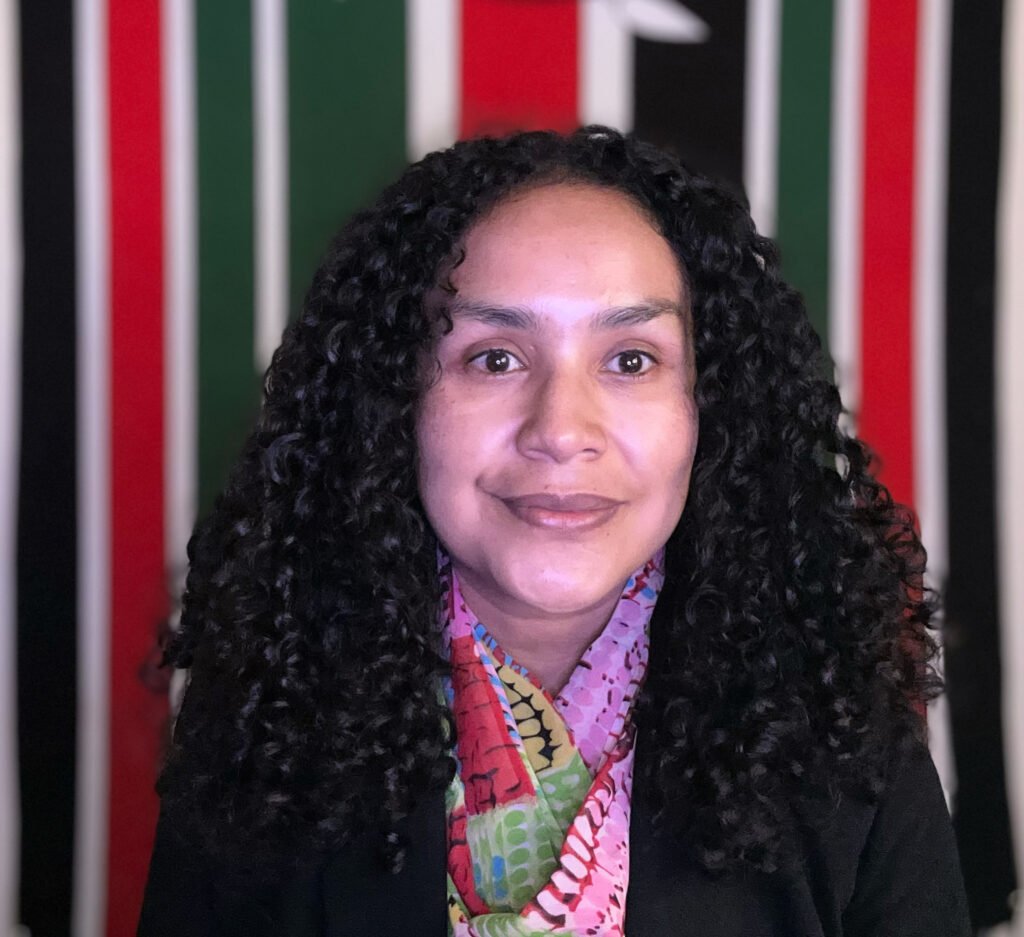
Paola Yañez Inofuentes es una profesional boliviana con una sólida trayectoria en liderazgo, gestión y promoción de los derechos de las comunidades afrodescendientes, especialmente de las mujeres. Actualmente se desempeña como Coordinadora General de la Red de Mujeres Afrolatinoamericanas,
Afrocaribeñas y de la Diáspora (RMAAD), donde representa a la organización, conduce su trabajo y gestiona la comunicación e interlocución con actores sociales e instancias nacionales e internacionales. Anteriormente, y desde 2013, ha ocupado roles directivos en el Centro Afroboliviano para el Desarrollo
Integral y Comunitario (CADIC), inicialmente como Responsable de Fortalecimiento Institucional y luego como Directora Ejecutiva, coordinando proyectos, actividades de incidencia y formación comunitaria.
Su formación académica incluye estudios en Ingeniería Civil por la Universidad Mayor de San Andrés y en Ecoturismo. Complementa su perfil con cursos especializados en derechos humanos, diversidad cultural y resolución de conflictos. Además, ha contribuido como integrante del Grupo Asesor de Sociedad Civil de ONU Mujeres para América Latina y el Caribe entre 2016 y 2020. Entre sus publicaciones destacan obras sobre el movimiento afroboliviano y guías para la valorización del trabajo de las mujeres y la organización de mujeres afrodescendientes en la región andina.
Paola Yañez Inofuentes is a Bolivian professional with a solid background in leadership, management, and promotion of the rights of Afro-descendant communities, especially women. She currently works as General Coordinator of the Network of Afro-Latin American, Afro-Caribbean, and Diaspora Women (RMAAD), where she represents the organization, leads its work, and manages communication and dialogue with social actors and national and international entities. Previously, since 2013, she has held management roles at the Afro-Bolivian Center for Integral and Community Development (CADIC), initially as Head of Institutional Strengthening and then as Executive Director, coordinating projects, advocacy activities, and community training. Her academic background includes studies in Civil Engineering at the Universidad Mayor de San Andrés and in Ecotourism. She enhances her profile with specialized courses in human rights, cultural diversity, and conflict resolution. In addition, she has contributed as a member of the UN Women Civil Society Advisory Group for Latin America and the Caribbean between 2016 and 2020. Her publications include works on the Afro-Bolivian movement and guides for the valorization of women’s work and the organization of Afro-descendant women in the Andean region.
RMAAD